The African Mining Safety Landscape
Mining remains one of South Africa’s most significant economic sectors, employing hundreds of thousands of workers across gold, platinum, coal, diamond, and base metal operations. It is also one of the most hazardous industries, with risks ranging from rock falls and machinery accidents to silica dust exposure and heat-related illness.
The Department of Mineral Resources and Energy (DMRE) regulates mine health and safety through the Mine Health and Safety Act and its associated regulations. These regulations mandate specific controls for identified hazards, including requirements for personal protective equipment. Despite regulatory frameworks and industry commitment, significant challenges remain in achieving consistent safety performance across all operations.
Key Hazards and Controls
Rock Falls and Ground Control: The single largest cause of fatalities in South African hard-rock mining. Support systems, exclusion zones, and PPE (hard hats, safety boots) are the layers of defence. Real-time monitoring systems using microseismic sensors are increasingly being deployed to predict ground instability before it becomes critical.
Silica Dust: Silicosis remains a significant occupational health challenge in gold and platinum mining. Control measures include wet drilling, ventilation, dust suppression, and respiratory protection. N95 (FFP2) minimum respiratory protection is required for dust-exposed work. Regular health surveillance including chest X-rays and lung function testing is mandated.
Machinery and Transportation: Mobile equipment, conveyors, and rotating machinery cause crush injuries, amputations, and fatalities. Isolation and lockout procedures are primary controls. High-visibility workwear ensures workers are seen by equipment operators. Hand protection prevents contact injuries during maintenance.
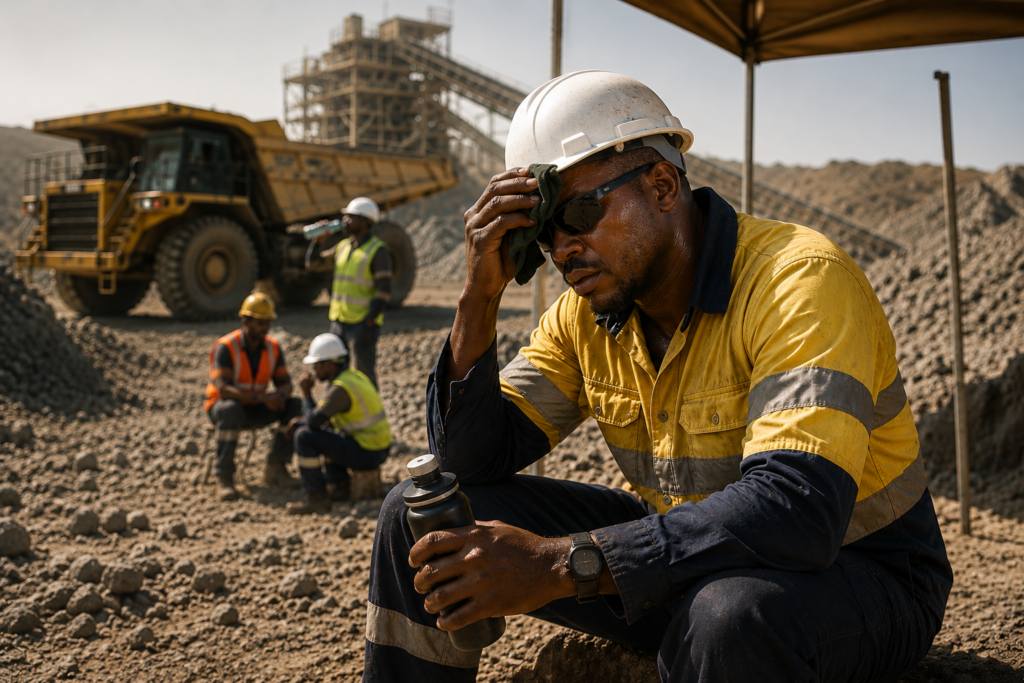
Heat: Deep-level mining encounters high virgin rock temperatures, exacerbated by auto-compression of ventilation air and heat from equipment. Refrigeration plants, ice cooling, and spot coolers are engineering controls. Heat acclimatisation, hydration protocols, and appropriate workwear complete the control strategy.
PPE Programme Best Practices
Leading mining operations approach PPE as a programme, not a procurement exercise. Key elements include:
Hazard Assessment: Every workplace task is assessed to identify hazards and specify appropriate PPE. This assessment is reviewed when conditions change — new equipment, new processes, or incident trends indicating control gaps.
Worker Consultation: PPE specifications are developed with input from the workers who will wear them. Comfort, fit, and practicality are safety parameters — PPE that workers refuse to wear provides no protection.
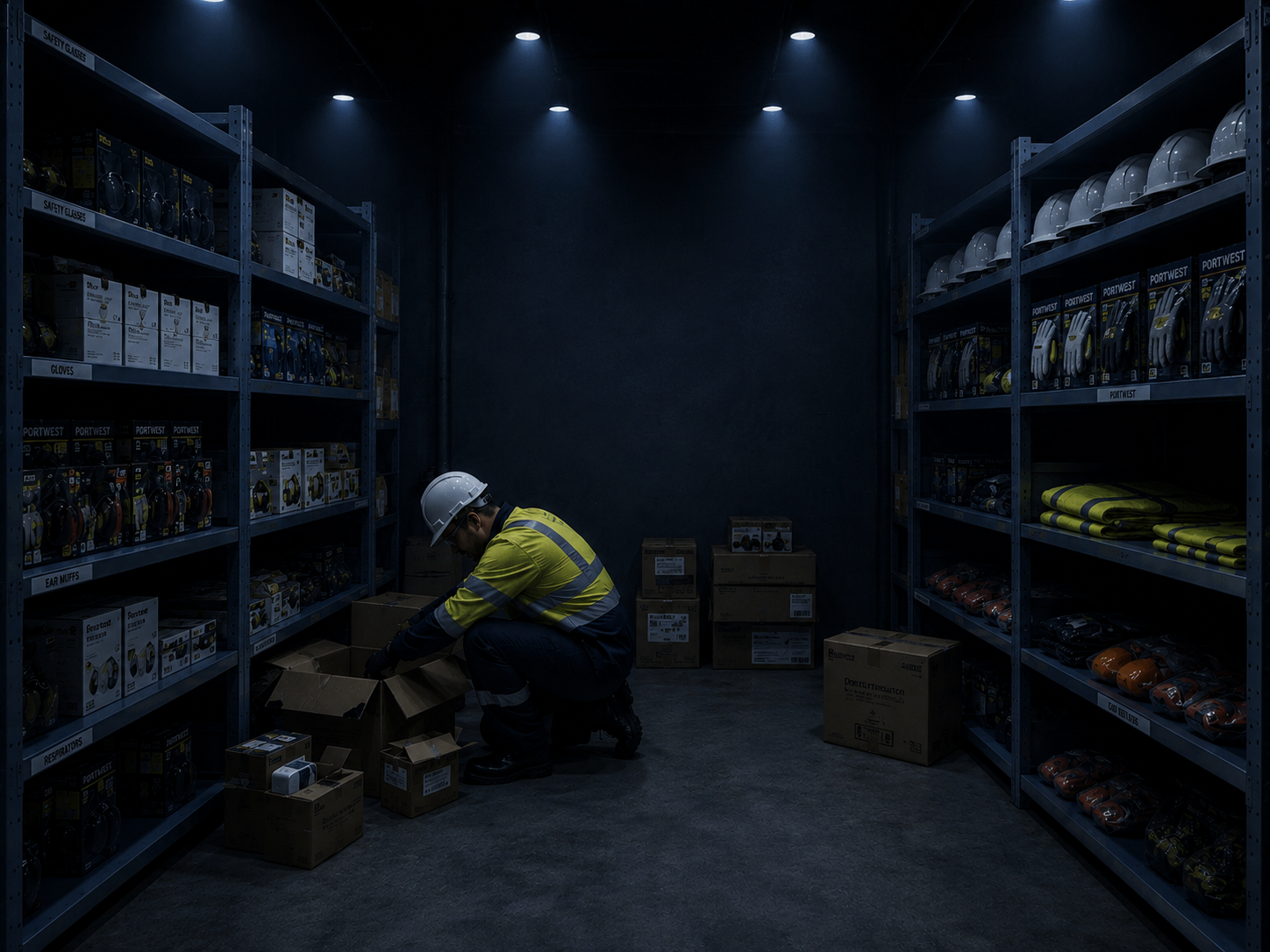
Quality Assurance: All PPE is sourced from reputable manufacturers with valid test certificates. Pre-delivery samples are tested for critical specifications. Batch testing continues throughout the contract period.
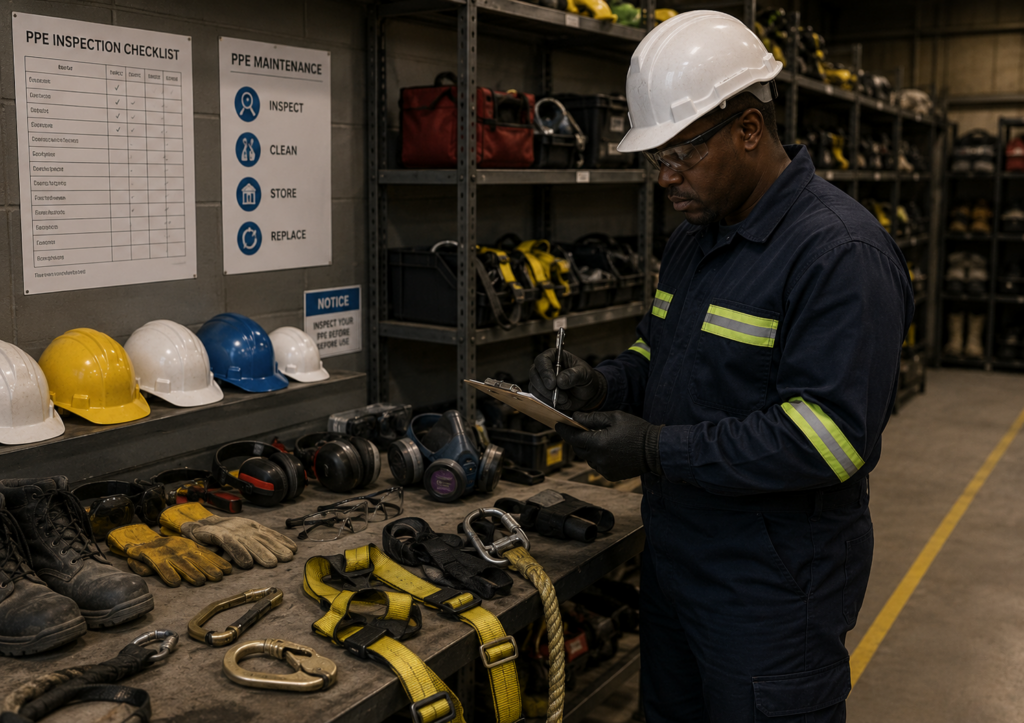
Training and Compliance: Workers are trained on why PPE is required, how to wear it correctly, how to inspect it, and when to replace it. Supervisors enforce PPE requirements consistently. Management leads by example — visible management commitment to PPE compliance is one of the strongest drivers of worker compliance.
Measuring Programme Effectiveness
Track leading indicators such as PPE compliance rates (observed vs. required), inspection completion rates, training completion rates, and PPE specification conformance. Lagging indicators include injury frequency rates, injury severity rates, and occupational disease incidence.
Benchmark against industry peers through participation in industry safety associations and DMRE reporting. Use data to identify trends, target interventions, and demonstrate return on investment in PPE programmes to senior management.
The Future of Mining Safety
Technology is transforming mining safety. Proximity detection systems prevent vehicle-personnel collisions. Wearable sensors monitor vital signs and environmental conditions in real time. Exoskeletons reduce musculoskeletal strain. Drones and remotely operated equipment remove workers from hazardous areas entirely.
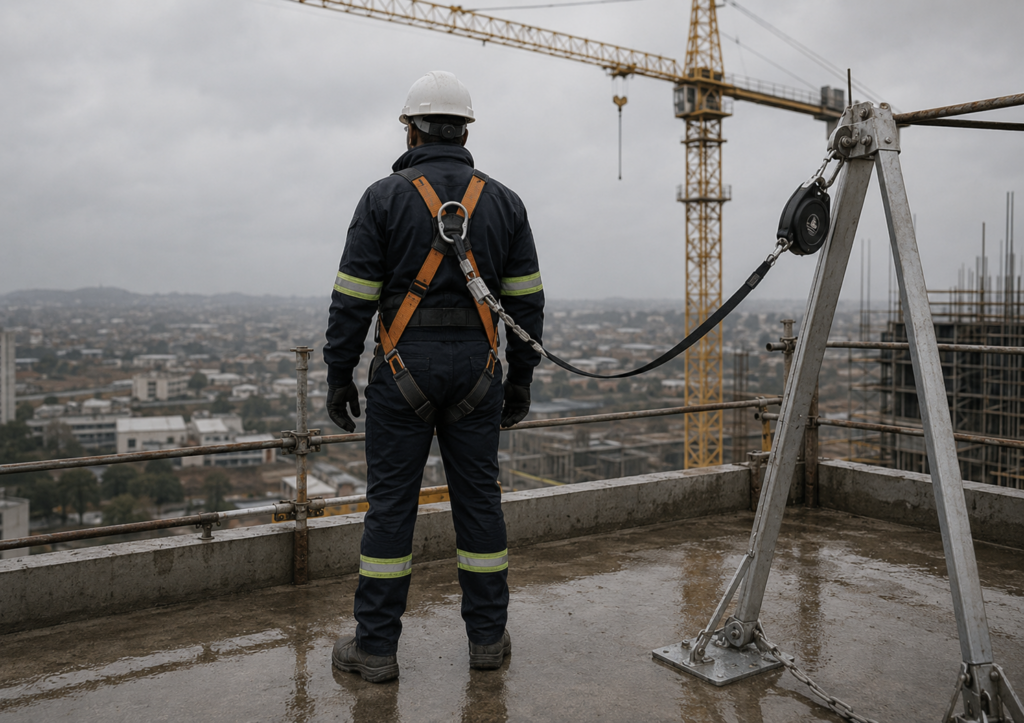
These technologies will not eliminate the need for PPE in the foreseeable future. Even the most automated mine requires maintenance personnel, inspectors, and emergency responders who need personal protection. The PPE of the future will be smarter — integrated with sensors, more comfortable through advanced materials, and better suited to the African climate and physique.
Conclusion
Mining safety in Africa is a story of progress against persistent challenges. PPE remains a critical layer of protection in the hierarchy of controls. Organisations that invest in comprehensive PPE programmes — with proper hazard assessment, quality equipment, worker training, and management commitment — see measurable improvements in safety performance and operational outcomes.