Why PPE Maintenance Matters
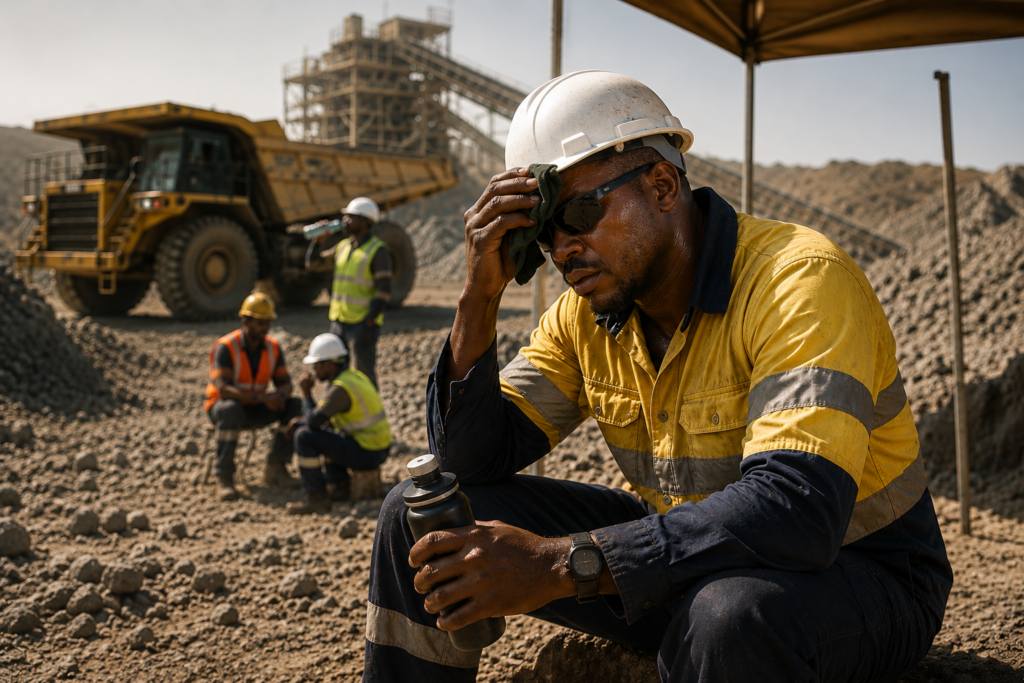
PPE is only effective when it is in good condition and used correctly. A damaged safety harness, a cracked hard hat, or a worn-out pair of safety boots can provide a false sense of security while offering little real protection. Regular inspection, proper maintenance, and timely replacement are essential elements of any PPE programme.
Beyond safety, proper PPE maintenance makes economic sense. Well-maintained equipment lasts longer, reducing replacement costs. More importantly, it prevents the far greater costs associated with workplace injuries — medical expenses, lost productivity, compensation claims, and reputational damage.
Inspection Frequency and Responsibility
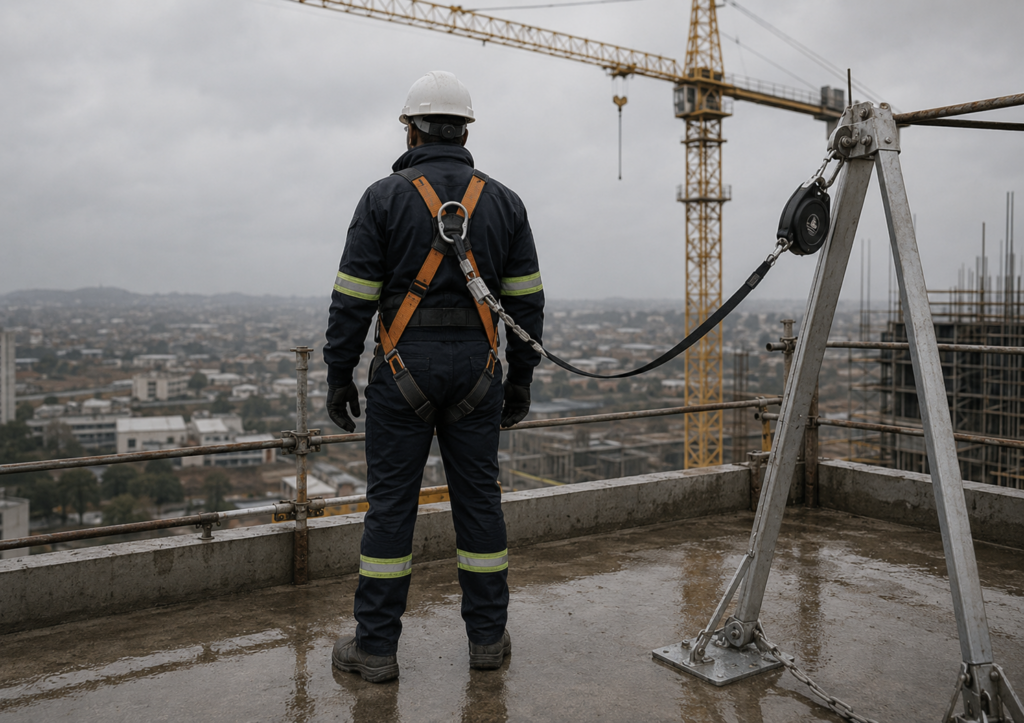
PPE inspection should occur at three levels. Pre-use inspection by the wearer before each shift — a quick visual and functional check for obvious damage. Periodic inspection by a competent person at defined intervals (weekly, monthly, or quarterly depending on equipment type and usage intensity). And detailed inspection by the manufacturer or authorised service agent at prescribed intervals for complex equipment such as fall protection systems.
Document all inspections. A simple inspection tag or log entry recording the date, inspector, equipment ID, and findings creates an audit trail and demonstrates due diligence. For large PPE programmes, consider a digital asset management system with barcode or RFID tracking.
Equipment-Specific Inspection Points
Hard Hats: Inspect shell for cracks, dents, penetration damage, and UV degradation (chalking, loss of gloss). Check suspension for fraying, torn stitching, and loss of elasticity. Replace suspension every 12 months and shell every 2-5 years depending on manufacturer specification and usage conditions.
Safety Footwear: Check upper for cuts, tears, and chemical damage. Inspect sole for wear pattern, cracks, separation from upper, and puncture damage. Verify that toe cap is not exposed or dented. Safety footwear typically requires replacement every 6-12 months under normal industrial use.
Harnesses and Lanyards: Inspect webbing for cuts, burns, chemical damage, UV degradation, and excessive wear. Check all metal hardware for distortion, cracks, and corrosion. Verify stitching integrity. Follow manufacturer replacement schedules — typically 5 years from first use for harnesses.
Gloves: Check for holes, tears, thin areas, and chemical hardening or swelling. Inspect coatings for peeling or cracking. Discard chemical gloves after each use or according to the change schedule for the specific chemical.
Cleaning and Storage
Clean PPE according to manufacturer instructions. Generally, mild soap and water are suitable for most equipment. Avoid harsh chemicals, solvents, and bleach which can degrade materials. Allow equipment to dry thoroughly before storage — damp storage promotes mould and material degradation.
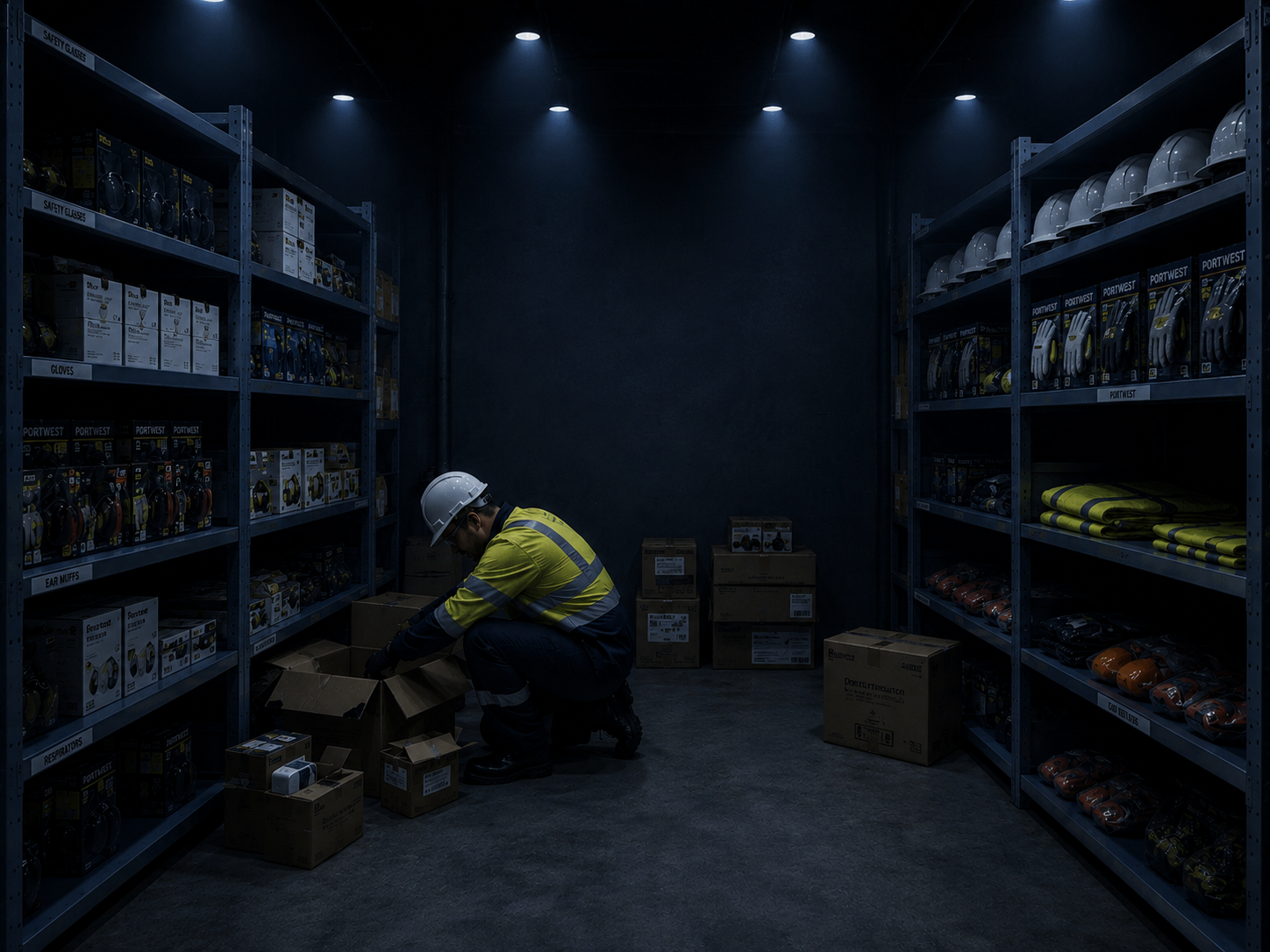
Store PPE in a cool, dry place away from direct sunlight, chemicals, and sharp objects. Hang harnesses by their dorsal D-ring to prevent webbing distortion. Store safety boots in a ventilated area, not in sealed plastic bags. Hard hats should not be stored in rear vehicle windows where UV exposure and heat are extreme.
Replacement Criteria
Establish clear replacement criteria and communicate them to all PPE users. Replace equipment immediately when damage is found that could compromise protection. Replace equipment at the end of its service life regardless of apparent condition. Materials degrade from UV exposure, chemical contact, and washing cycles in ways that may not be visible.
Never attempt to repair damaged PPE unless the repair method is explicitly approved by the manufacturer. Sewing a harness, gluing a boot sole, or taping a hard hat can create hidden failure points that are invisible but deadly.
Conclusion
PPE maintenance is not glamorous, but it is essential. A disciplined inspection, cleaning, storage, and replacement programme ensures that every piece of PPE provides the protection it was specified to deliver. The time and resource investment in PPE maintenance is minimal compared to the cost of a single preventable injury.